What Is Frozen Yogurt?
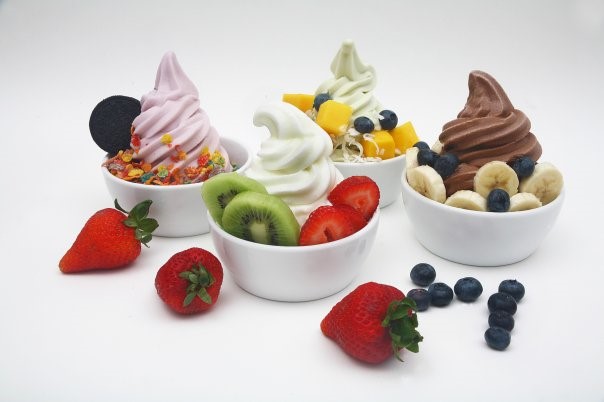
What Is Frozen Yogurt?
Frozen Yogurt;
Frozen yogurt is an alternative to ice cream commonly preferred in Europe and America, described as healthy, nutritious and low in glycemic index. A mix of frozen yogurt powder prepared with suitable proteins, emulsifiers and sweeteners, fresh yogurt and milk is cooled and aerated in the appropriate machine to develop an ice-cream-like texture. It offers a tasty way to obtain calcium, protein, iron and, depending on the mix, important probiotic bacteria. Its popularity has grown with public awareness. Fruit pieces and flavored sauces also provide colorful marketing opportunities for producers.
WHY FROZEN YOGURT?
It allows people to enjoy the beneficial nutrients of yogurt and milk needed at all ages, particularly during growth and older age, without sacrificing flavor. Combining the enjoyment of ice cream with the traditional yogurt flavor valued in Turkish culture gives a modern interpretation of tradition. Presenting yogurt in the attractive form of ice cream is an appealing alternative for families with growing children. The source describes it as low in calories and associates yogurt with fat burning, renewal and immunity. For older adults, including menopause and later life, it presents a calcium-rich, nutritious, low-glycemic product under the mission “ice cream for grown-ups,” and claims suitability despite hereditary conditions such as diabetes, heart disease and hypertension.
According to the source, 100 g of frozen yogurt corresponds to 50 g of milk and 40 g of yogurt. Standard frozen yogurt is stated to provide dessert enjoyment at 65 kcal, while a portion of reduced-energy product lowers this to about 50 kcal without harming weight-loss efforts. It describes the probiotic-enriched product at around 50 kcal as a way of enriching the body with bacteria that support immunity and resistance to illness without burdening the liver and metabolism.
THE IMPORTANCE OF PROBIOTIC BACTERIA
“If the gut is ill, the rest of the body is ill.” — Hippocrates
Rapid technological development, increasing stress, the shift from natural diets to fast food, and heavy consumption of additives and chemicals have distanced people from natural living. The source associates weakened immunity, cesarean births and high antibiotic use with reductions in beneficial gut bacteria and damage to immunity, digestion and metabolism. It states that probiotic microorganisms have been used therapeutically and preventively for antibiotic-associated diarrhea, cholesterol, weak immunity, rheumatoid arthritis, cancer, lactose intolerance, Crohn’s disease, diarrhea, constipation, candidiasis and urinary tract conditions, citing clinical studies reporting benefits.
EFFECTS OF PROBIOTICS AND PREBIOTICS ON THE HUMAN BODY
Physiological and health effects: regulating carbohydrate metabolism in colon bacteria increases bacterial numbers, short-chain fatty acids and gases. These acids supply energy to the intestinal epithelium; gas accumulation may occur, which the source says resolves with regular use. Lactobacillus and Bifidobacterium coexist with FOS and other prebiotics to create functional effects, inhibit pathogen attachment and reproduction, and some strains produce natural antibiotic-like substances. The source states they are not hydrolyzed by oral or stomach flora, prevent tooth decay and reach the intestines alive. It describes them as non-glycemic and suitable for diabetes, supporting immune functions, resistance to infection and anticancer effects, and influencing very-low-density lipoprotein cholesterol, triglyceride synthesis and coronary heart disease. It also describes increased magnesium and calcium absorption and probiotic bacterial synthesis of vitamin K, with effects relating to osteoporosis and vitamin K deficiency. One serving of probiotic-enriched frozen yogurt is stated to deliver 2–5 billion CFU of live probiotic bacteria, supporting digestion and immunity and, with regular consumption, the benefits described above.